People with Disabilities and the Media
Although many East African countries have signed international agreements promoting disability rights, implementation gaps remain due to limited technical knowledge, weak inclusion practices, and inadequate consultation with disability organizations. Media institutions and government bodies often lack awareness of accessibility standards and inclusive communication methods. Within #ASKnet some initiatives addressed these issues by trainings, awareness measures and also planning for future projects with stakeholders from the region.
Media advocacy and content creation – Trainings 2024–2025
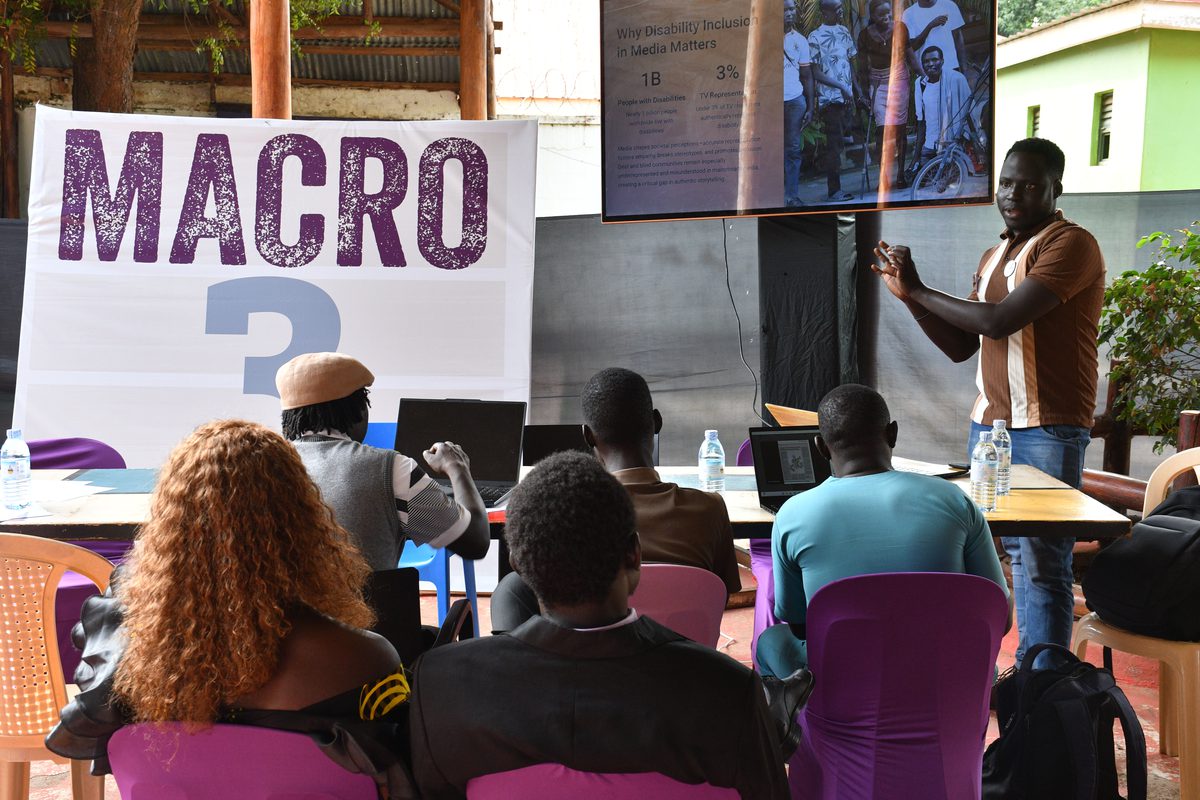
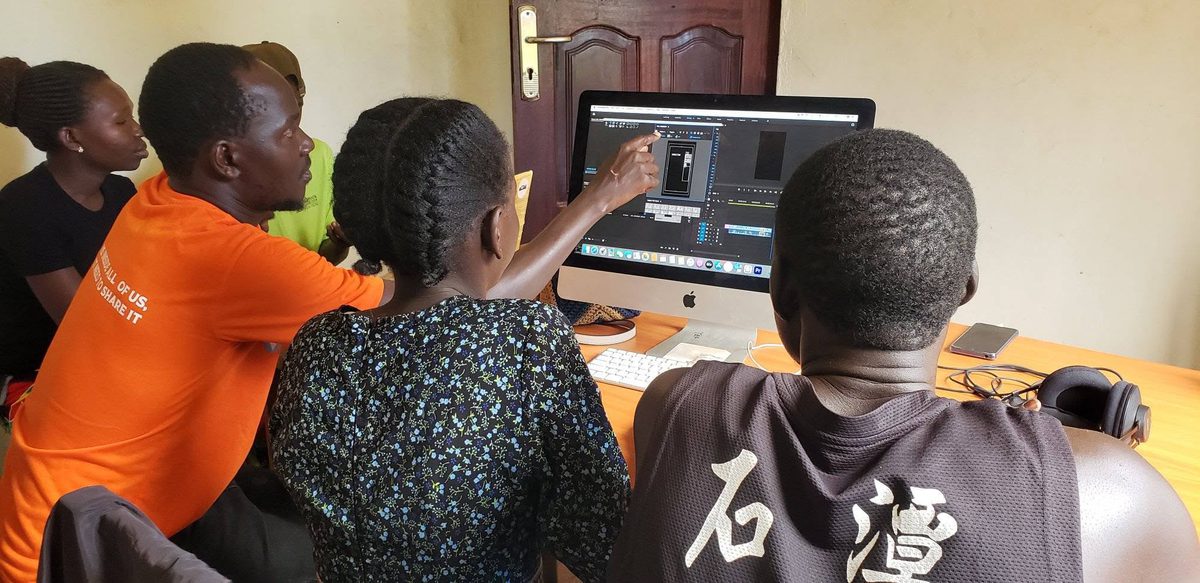
The trainings on media advocacy and entrepreneurship for People With Disabilities (PWDs) were developed and realised by the #ASKnet member NEXUS and brought together participants from refugee settlements and the host community in the Adjumani district in Northern Uganda, representing different forms of disabilities. The activities aimed to equip participants with skills in media advocacy, content creation, entrepreneurship, and social media management while promoting inclusion and economic empowerment. Inclusive methods such as sign language interpretation, group discussions, practical exercises, and caretaker support ensured active participation. Participants showed strong enthusiasm and willingness to learn, while the presence of government representatives demonstrated commitment to disability inclusion.
Participatory Stakeholder Consultative Workshop 2025
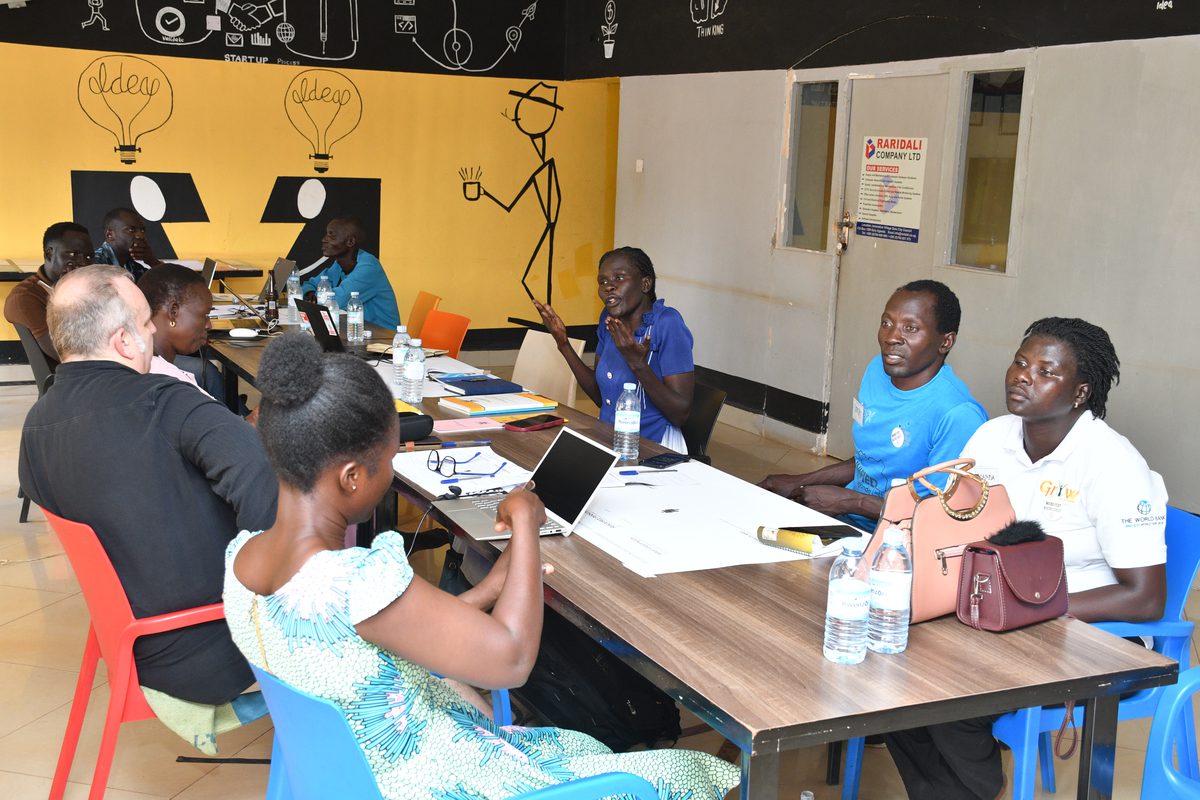
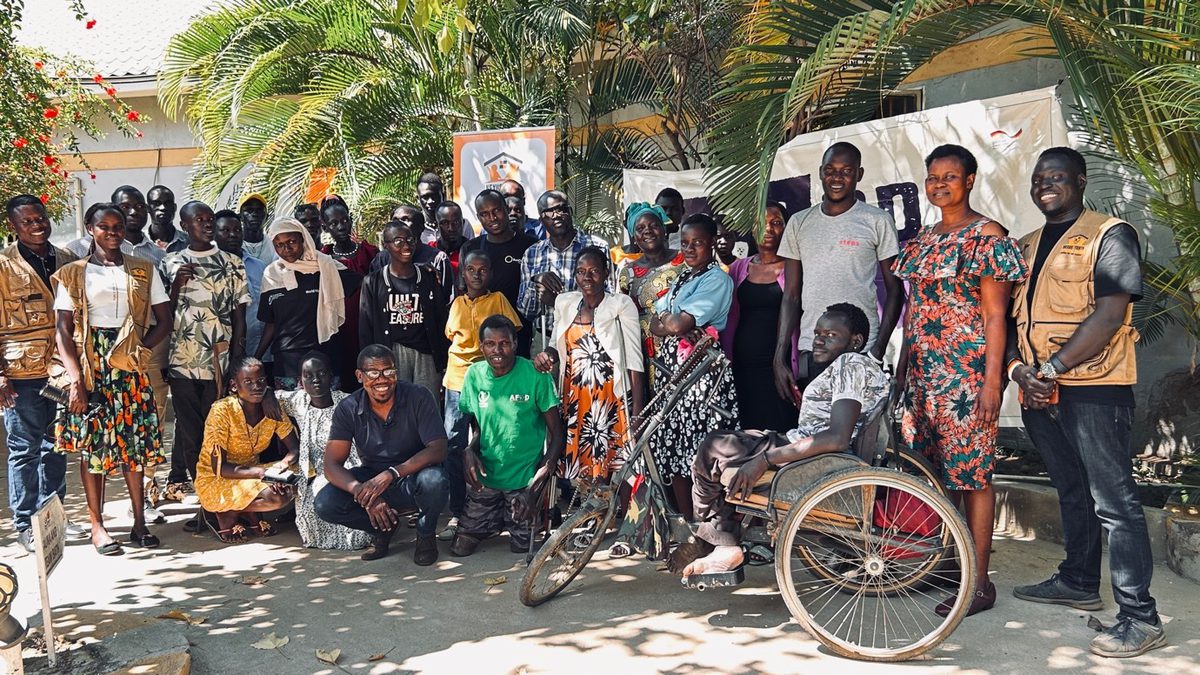
The 2-day workshop organised by #ASKnet in collaboration with Oysters & Pearls Uganda (O&P) brought together persons with disabilities, disability associations, local government representatives, and media regulators to ensure the project reflected the lived experiences and needs of Ugandans with disabilities. Key organizations involved included the Gulu Association of the Deaf (GAD), Gulu Association of the Blind, the National Union of Persons with Disability in Uganda (NUDIPU), Gulu District Local Government, and the Uganda Communications Commission (UCC).
Consultations with youth and women with disabilities revealed that digital government services and online media platforms have unintentionally excluded many PwD due to inaccessible formats such as the absence of sign language and screen-reader compatibility. Stakeholders, including disability associations and the District Community Development Officer, identified existing community networks that can support outreach to marginalized groups, including refugees and rural communities. The workshop also highlighted that many PwD lack access to professional media tools needed to report rights violations and share their own experiences. As a result, a project is planned in Gulu starting 2026 to introduce a “Narrative Sovereignty” approach aimed at empowering persons with visual and hearing impairments to become citizen journalists and digital storytellers.
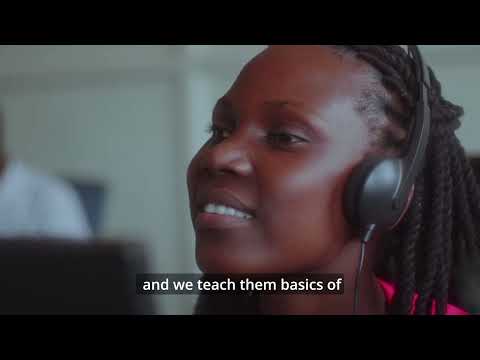
Please check the video feature “Voices through Technology” presenting also the work of Oysters & Pearls Uganda here:
Voices through Technology